
 Stake Casino
Rakeback + Weekly Raffle
Visit Casino
Read Review
Stake Casino
Rakeback + Weekly Raffle
Visit Casino
Read Review
WagerManiacs.com – The Game Never Sleeps. Neither Do We
Welcome to WagerManiacs! We have prepared for you only the most tasty and proven casinos that pay out your winnings in a stable and timely manner! We’re not maniacs, but we know a thing or two about where to place your lucky bets at online casinos!
Read also:

At WagerManiacs, we’ve done all the homework so you don’t have to! Our team has spent countless hours testing, playing, and verifying each casino on our list to make sure they meet our strict standards for fairness, security, and lightning-fast payouts. Whether you’re a high roller or just looking to spin a few slots for fun, we’ve got the perfect picks waiting for you. Trust the maniacs who’ve been in the game long enough to separate the diamonds from the dust – your winning streak starts here!
On this page
- 01Choose Only Trusted Online Casinos
- 02New Online Casinos 2025 – 2026
- 03How Do We Test Online Casinos when Writing Reviews?
- 04WagerManiacs Basic principles
- 05Gambling News
- 06Guides and Useful Information
- 07Personalities
- 08Who Creates Content for Wagermaniacs.com
- 09Responsible Gaming: We Care about our Readers
- 10Gambling Addiction Support Organizations
Choose Only Trusted Online Casinos
We cover bonus promotions, casino games, payment methods, security aspects, customer service, and much more. We address all the aspects that the best online casinos must meet and will help you choose the right one.
Stake Casino
Rakeback + Weekly Raffle
Visit Casino
Read Review
 Fresh Casino
100% up to 300$ + 200 FS
Visit Casino
Read Review
Fresh Casino
100% up to 300$ + 200 FS
Visit Casino
Read Review
 Jet Casino
50% bonus up to 300$
Visit Casino
Read Review
Jet Casino
50% bonus up to 300$
Visit Casino
Read Review
 Casino-X
Up to $2000 Welcome Package
Visit Casino
Read Review
Casino-X
Up to $2000 Welcome Package
Visit Casino
Read Review
 Vavada Casino
100% + 100 Free Spins
Visit Casino
Read Review
Vavada Casino
100% + 100 Free Spins
Visit Casino
Read Review
 Joycasino
$2000 Welcome Package
Visit Casino
Read Review
Joycasino
$2000 Welcome Package
Visit Casino
Read Review
 Ramenbet
up to $1,500 Welcome Bonus
Visit Casino
Read Review
Ramenbet
up to $1,500 Welcome Bonus
Visit Casino
Read Review
 1xSlots
150% up to 300$ + 100 FS
Visit Casino
Read Review
1xSlots
150% up to 300$ + 100 FS
Visit Casino
Read Review
 BC.Game
470% Welcome deposit bonus
Visit Casino
Read Review
BC.Game
470% Welcome deposit bonus
Visit Casino
Read Review
 Riobet
225% + 70 Free Spins
Visit Casino
Read Review
Riobet
225% + 70 Free Spins
Visit Casino
Read Review
Each brand on this list has an excellent reputation and meets the highest industry standards today. If you have something to say about any of these casinos, you can leave a review by scrolling down to the bottom of the relevant review.
New Online Casinos 2025 – 2026
The experts at our site constantly monitor new developments in the online casino market. Each new gambling brand undergoes thorough checks for security, solvency and player reviews. Each new online casino is then included in our rating of the best and most reliable casinos.

Fugu Casino
Welcome Bonus
Welcome Bonus 50%

Duel Casino
Welcome Bonus
N/A

Beef Casino
Welcome Bonus
250% + 600 Free Spins

Martin Casino
Welcome Bonus
50% up to 300 USD

Flagman Casino
Welcome Bonus
150% + 100 Free Spins
SafeCasino
Welcome Bonus
100% up to 1000$ + 300 FS
How Do We Test Online Casinos when Writing Reviews?
WagerManiacs.com is a platform created by players for players. Our stated goal is to make our readers’ gaming experience 100% safe and successful. We help you find the best online casinos. We also support you in selecting the right games with the best odds of winning. Our experts also help players with free casino games and strategies. We offer tips and tricks for playing more successfully with real money.

- Security & Reliability – Your security is our top priority. We only recommend online casinos with a valid license. We also pay close attention to the casino provider’s player protection.
- Game Selection – We not only evaluate the number and variety of games; our experts also assess the RTP (Return to Player) values and payout ratios of the casino providers.
- Deposits & Withdrawals – When evaluating online casino sites, our editors check whether the online casino offers fast and reliable payouts of winnings.
- Bonus & Promotions – When it comes to bonus offers and other promotions, our team doesn’t just pay attention to the bonus amount. We also evaluate the wagering requirements for fairness and feasibility.
- Mobile Casino – Since many casino players now play on mobile devices, we evaluate the offerings for smartphones and tablets in our mobile casino test.
- Customer Service – Even with the best online casino providers, there may be occasional questions. That’s why our experts test the customer service for players.
WagerManiacs Basic principles
Our team is 100% made up of players just like you. Each of us knows what we are talking about. That is why it is very important for us to stay on the same page with players who know what they want. And so, to the principles – there are only 5 of them:
- Maximum honesty and transparency – Honest and truthful reviews, description of all the pros and cons of each casino.
- Accuracy and attentiveness – We don’t miss any details, because there are no amateurs in our team.
- Punctuality – Always be on the cutting edge of information, cover all new products and news without delay.
- Players first – For us, there is no one and nothing more important than players. In any dispute with an online casino, we side with the player, unless he is a fraudster or a bonus hunter.
- Feedback forever – Every review left by a player on a particular online casino remains on our website forever. We do not delete negative reviews. The main thing is that it is detailed and reasoned.
None of the owners of such Gambling Portals have all these 5 principles, that’s why you are now on WagerManiacs.com, right?
Gambling News
Probably many of you have heard the phrase: “Who owns information, owns the world,” and it’s true. Gambling is no exception, staying in the trend of the latest news and events is crucial. The site team is just for you WagerManiacs.com and he will publish here all the relevant and really important news from the world of online casinos and the entire gambling industry in general.
 The Premier League will ban gambling advertising
 European gambling market: Online gaming gains further market share
 UK Gambling Reform
 Tennessee Bans Sweepstakes Casinos
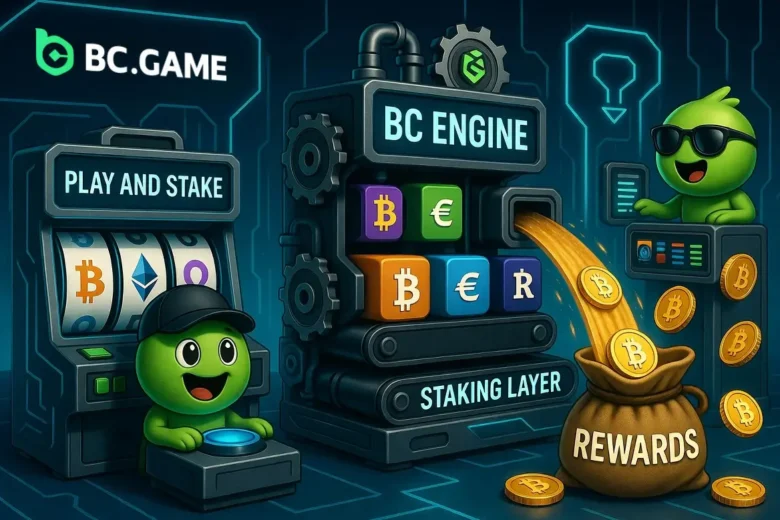 BC Engine: A Crypto-Staking Layer Inside an Online Casino
 NBA Betting Scandal: FBI Walked Into the League
Guides and Useful Information
Which of you was born smart and skilled at once? It seems to us that no one, because everything comes with experience. Experience is not cheap, and it’s better to get it from other people’s mistakes or from our guides. We will try to tell you everything that any modern player needs to know. So that you don’t get bored and monotonous, we will dilute our guides with interesting blog posts that will be no less informative for you.
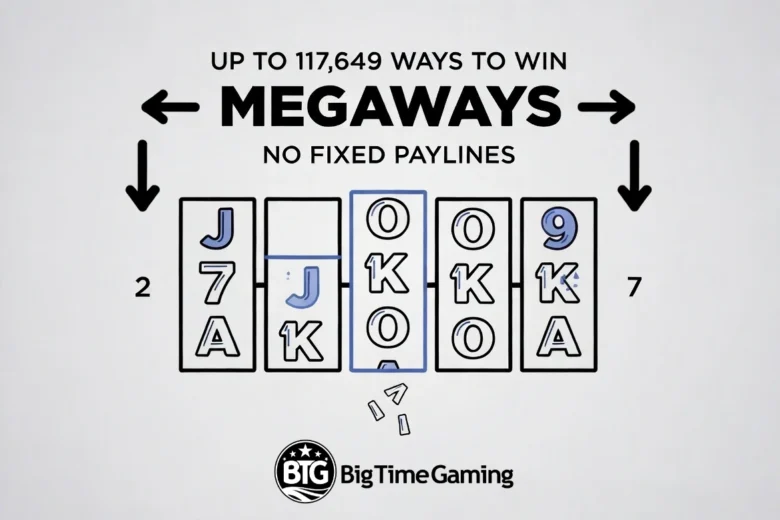 Megaways Slots Explained: The Mechanic That Redefined Online Slots
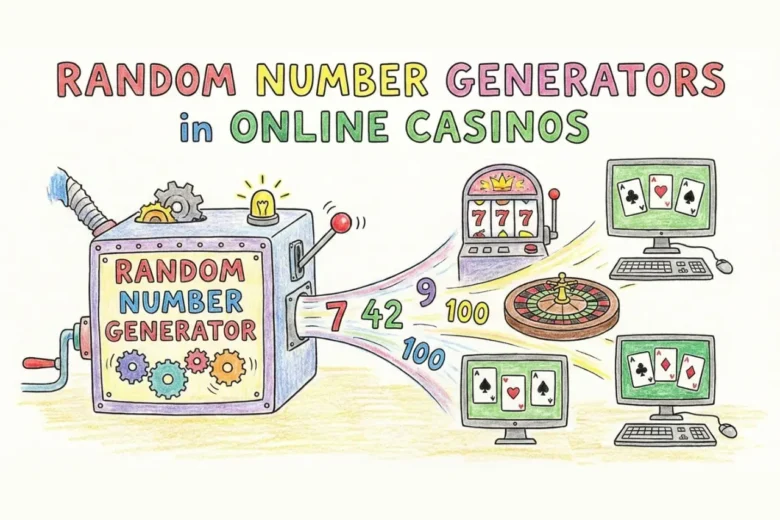 Random Number Generators in Online Casinos
 Top 10 Online Slot Providers in 2026
 How to Stay in Control: The Complete Guide to Responsible Gambling
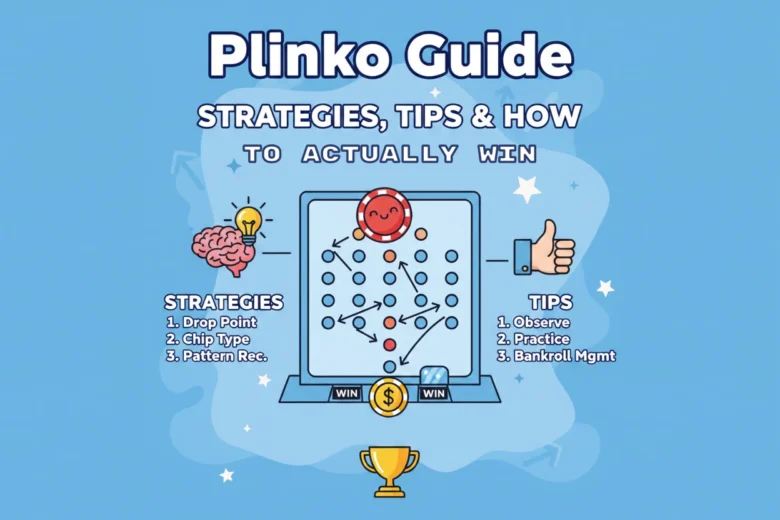 Plinko Guide: Strategies, Tips & How to Actually Win
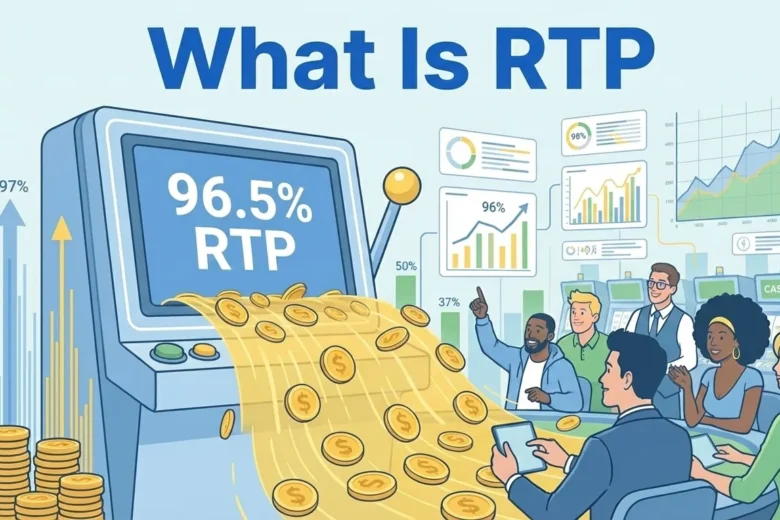 What Is RTP: The Complete Guide to Return to Player
Personalities
Here you can find interesting articles and biographies of people who have had an important impact on gambling as an industry. Various interesting facts and stories about gambling addiction of various celebrities will also be published here. Of course, we will not ignore the various casino streamers, creators and important players of the online casino market.
 Ed Craven: Built the World’s Biggest Crypto Casino
 Isai Scheinberg: The Quiet Programmer Who Built PokerStars
 Trainwreckstv: Who Changed Casino Streaming Forever
 Who Created Online Casinos? The Rivkin Brothers and the $100 Billion Idea
 Roshtein: The Most Polarizing Figure in Casino Streaming
 Ossi “Monarch” Ketola: The Finnish Prodigy Who Turned the Online Gambling Industry Upside Down
Who Creates Content for Wagermaniacs.com
Content for WagerManiacs.com is created by a team of experienced specialists in the online gambling industry. The lead author and creative manager is Kevin Rendel – an expert with over 15 years of experience playing at online casinos, who specializes in selecting reliable and trusted gaming platforms. Alex Jovanovic is responsible for SEO promotion and technical content optimization – a recognized specialist in search engine optimization for gambling websites.
7 Habits of WagerManiacs Authors
- Daily Industry Monitoring
- Personal Testing of Every Casino
- Documenting All Transactions
- Regular Communication with Players
- Cross-Checking Information from Multiple Sources
- Weekly Rating Reviews
- Practicing Responsible Gaming

These habits have been formed over years of working in the industry and help the WagerManiacs team remain a reliable source of information for thousands of players worldwide.
Responsible Gaming: We Care about our Readers
Gambling is entertainment, not a way to make money. At WagerManiacs, we firmly believe that gaming should bring enjoyment, not become a source of financial or emotional problems. Before you start playing, set clear limits for yourself: determine the amount you’re willing to spend and the time you plan to dedicate to gaming. Never gamble with money intended for bills, rent, or other essential expenses. Remember: if gambling stops being fun – it’s time to stop.
It’s crucial to recognize the signs of gambling addiction early. If you notice that you’re thinking about gambling more often, increasing your bets in an attempt to recover losses, hiding your habit from loved ones, or feeling irritated when trying to cut back on gaming time – these are serious warning signs. Gambling Addiction (pathological gambling) is an officially recognized disorder that can be treated. Don’t hesitate to seek professional help: the sooner you do, the easier it will be to overcome the problem.
We support self-limitation and player protection tools. Most casinos we recommend offer self-exclusion features, deposit and loss limits, as well as “cooling-off period” options. Use these tools – they’re designed for your protection. If you or your loved ones are facing a gambling addiction problem, please contact one of the specialized organizations listed below. Help is available, and you are not alone in this fight.
Gambling Addiction Support Organizations
| Organization | Country/Region | Phone | Website | Hours |
|---|---|---|---|---|
| Gamblers Anonymous (GA) | International | – | gamblersanonymous.org | Meeting schedules vary |
| GamCare | United Kingdom | 0808 8020 133 | gamcare.org.uk | 24/7 |
| National Council on Problem Gambling (NCPG) | USA | 1-800-522-4700 | ncpgambling.org | 24/7 |
| Gambling Therapy | International | – | gamblingtherapy.org | Online chat 24/7 |
| BeGambleAware | United Kingdom | 0808 8020 133 | gambleaware.org | 24/7 |
| Spielsuchthilfe | Germany | 0800 1 37 27 00 | www.spielsucht-therapie.de | Mon-Thu: 10am-10pm, Fri-Sun: 10am-6pm |
| Bundeszentrale für gesundheitliche Aufklärung (BZgA) | Germany | 0800 1 37 27 00 | www.bzga.de | Free & anonymous |
| Stödlinjen | Sweden | 020-819 100 | stodlinjen.se | Daily 9am-9pm |
| Spillavhengighet Norge | Norway | 800 800 40 | hjelpelinjen.no | 24/7 |
| Gambling Help Online | Australia | 1800 858 858 | www.gamblinghelponline.org.au | 24/7 |
Additional Self-Protection Tools:
- GamStop – Free self-exclusion service from all UK-licensed online casinos
- OASIS – Self-blocking system for players in Germany
- Spelpaus – Swedish national self-exclusion register
Important: If you feel like you’re losing control over your gambling – stop and seek help. This is not a sign of weakness, but a demonstration of strength and care for yourself and your loved ones
Caution: Gambling can be addictive. Only gamble with money you can afford to lose. This website offers no guaranteed winnings and is not a substitute for legal advice. Legal assessments of offers may vary depending on the state. Commercial partnerships exist with some of the providers featured.
What’s changed at WagerManiacs.com?
WagerManiacs.com has evolved from blog to a comparison portal. We use our expertise in the casino industry to evaluate and recommend the best online casinos in the world.
How does WagerManiacs.com select the casinos it recommends?
We thoroughly review each casino, paying particular attention to aspects such as the casino’s reputation, bonus offers, game variety, quality of software providers, casino payment methods, mobile compatibility, licensing, and security standards.
What should I consider as a player when choosing an online casino?
It’s important to consider factors such as the casino’s reputation, the bonus terms and conditions offered, the variety of games, available payment methods, and security aspects. It’s also worth considering the experiences of other players.

Hi everyone, my name is Kevin and I am an author and creative manager at wagermaniacs.com. I have extensive experience in the field of gambling, as well as more than 15 years of experience playing in online casinos. These two facts allow me to be called a real expert in the field of iGaming.
My favourite online casinos: Vavada, Casino-X, Riobet and Mostbet