
The founder says he was forced out of his own platform. German gambling laws did the rest.
We also recommend that you read: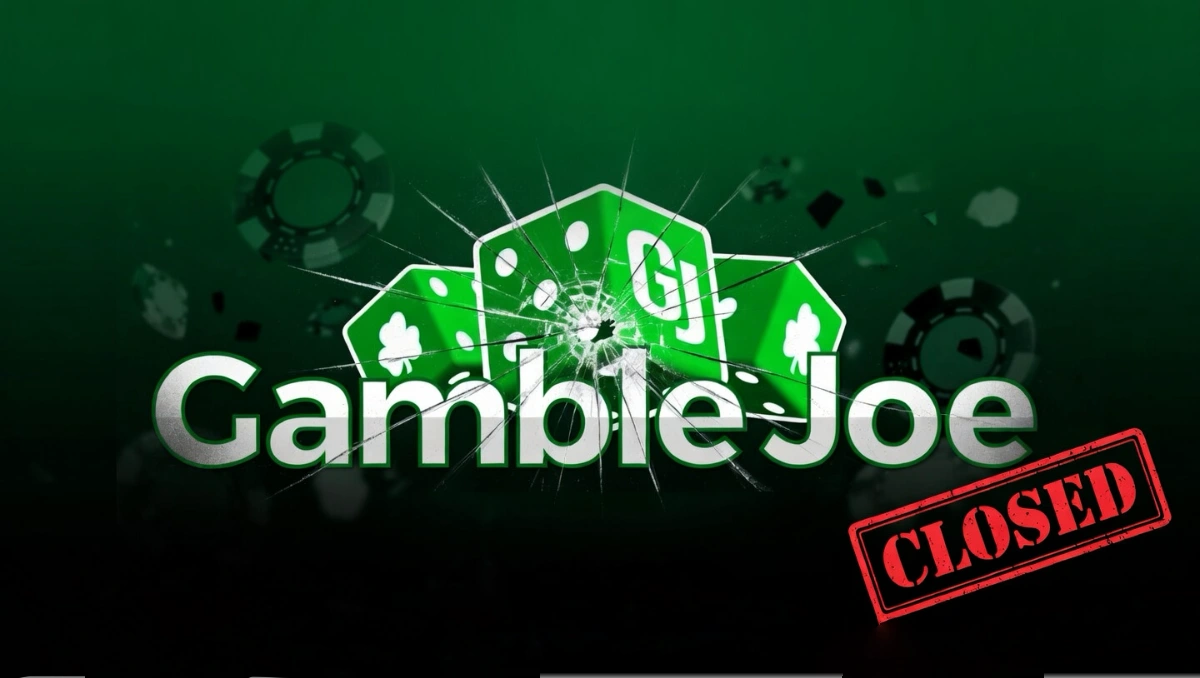
GambleJoe.com, once the largest and most active online casino portal in the German-speaking world, has effectively shut down. The site, which launched in late 2012 and spent over a decade as the go-to resource for casino players in Germany, Austria, and Switzerland, posted its farewell on June 10, 2025, under the headline “Abschied nach uber 10 Jahren” (“Farewell after more than 10 years”). The announcement generated 15+ pages of community discussion before the platform went quiet.
By March 2026, the picture is clear: the SSL certificate expired in December 2024, monthly traffic dropped to under 30,000 visits (a fraction of its peak), and uptime monitors show the site going offline intermittently. GambleJoe is not coming back.
For readers unfamiliar with the German market: GambleJoe wasn’t just another affiliate site with a list of casinos and bonus codes. It was a community platform built by and for players. The portal featured independent casino reviews written by actual users, a massive forum with hundreds of new posts daily, and one of the internet’s largest collections of Gewinnvideos (player-recorded win clips). At the time of its decline, the video library held 342 community-submitted recordings of slot wins, complete with stake and multiplier data.
Members could upload Gewinnbilder (winning screenshots), ranked by win factor. They could rate casinos, flag issues, and use a dispute resolution system to escalate complaints directly with operators. Over the years, GambleJoe built a Trustpilot rating of 3.9/5 from 109 reviews and a community that numbered in the tens of thousands.
Daniel, the man behind GambleJoe, was a computer scientist and system integration specialist from Stuttgart, born in 1982. He started GambleJoe at the end of 2012 after developing a gambling habit himself starting in 2008. That personal connection to gambling gave the portal an authenticity that pure affiliate sites couldn’t replicate. Daniel understood the player side because he lived it.
The first sign that something had gone wrong appeared on Casino.guru’s forum in mid-2025. A former GambleJoe member posted that Daniel had been “betrayed (poisoned) and banned from his own platform,” referencing a YouTube channel where the founder described what happened to him. According to the post, Daniel hadn’t been active on GambleJoe for years before the public farewell announcement.
Details remain thin. No public lawsuit has been documented. No official statement from whoever currently controls the GambleJoe domain explains the circumstances of Daniel’s departure. What’s known is that the founder lost access to the platform he built, and the platform didn’t survive long without him.
A note on language: “vergiftet” (poisoned) in the original German post is ambiguous. It can refer to literal poisoning or, more colloquially, to being sabotaged or undermined. Without Daniel’s full account, it’s impossible to determine which meaning applies. But the outcome is the same: the person who created GambleJoe was cut off from it, and the site collapsed.
The internal drama didn’t happen in a vacuum. Germany’s State Treaty on Gambling (Glucksspielstaatsvertrag, or GluStV), which took full effect in 2021, reshaped the entire market. The rules imposed a €1,000 monthly deposit cap for casino players, a maximum stake of €1 per spin, mandatory 5-second delays between spins, and strict advertising restrictions. The GGL (Gemeinsame Glucksspielbehorde der Lander), Germany’s gambling regulator, began enforcing these rules aggressively starting in 2023.
In 2024 alone, the GGL initiated 231 prohibition proceedings, reviewed over 1,700 websites, made approximately 450 illegal gambling sites inaccessible through direct orders, and blocked another 657 via geo-blocking under the EU’s Digital Services Act. Google updated its advertising guidelines in September 2024 and again in April 2025, restricting gambling ads exclusively to GGL-licensed providers. Smaller affiliate sites felt the pressure first.
GambleJoe had adapted by focusing only on legally licensed casinos compliant with GluStV 2021. But compliance didn’t protect the business model. A January 2025 study found that 76% of affiliate gambling advertising in Germany was still illegal, meaning compliant portals like GambleJoe were competing against sites that ignored the rules entirely. Legal operators play within tighter margins. Illegal ones don’t. The math wasn’t in GambleJoe’s favor.
A moderator on the Playtime Forum put it bluntly when the GambleJoe news broke: the closure “can certainly also be attributed to the ridiculous GluStV 2021, which has already brought many German portals to their knees.”
As of early 2026, the GambleJoe domain still resolves, but the site is functionally dead. Traffic data from Semrush shows roughly 25,000-29,000 monthly visits in late 2025. For context, at its peak, GambleJoe described itself as the largest casino information portal for German-speaking players. Going from that to under 30K visits per month is not a slow decline. It’s a collapse.
Some forum threads remain accessible. The Gewinnvideo archive still loads. But there’s no new content, no active moderation, and no sign of a recovery plan. The community that made GambleJoe special has scattered to other platforms.
GambleJoe shows what happens when internal conflict and external regulation hit at the same time. The founder’s removal weakened the platform’s identity. The GluStV 2021 and GGL enforcement strangled the business model. Neither factor alone would have killed a portal with 12 years of history and tens of thousands of active members. Together, they did.
For affiliate operators in other regulated markets, the warning is concrete. A gambling portal’s value lives in its community, its editorial voice, and its founder’s credibility. Remove the founder, and you remove the reason players trusted the site in the first place. Layer aggressive regulation on top, and the exit becomes permanent.
Germany’s GluStV is scheduled for a formal evaluation in 2026. Among the questions on the table: whether the advertising and affiliate restrictions have actually channeled players toward legal operators, or simply pushed them to unlicensed offshore sites. GambleJoe’s collapse suggests the answer might not be what regulators hoped for.

Hi everyone, my name is Kevin and I am an author and creative manager at wagermaniacs.com. I have extensive experience in the field of gambling, as well as more than 15 years of experience playing in online casinos. These two facts allow me to be called a real expert in the field of iGaming.
My favourite online casinos: Vavada, Casino-X, Riobet and Mostbet